
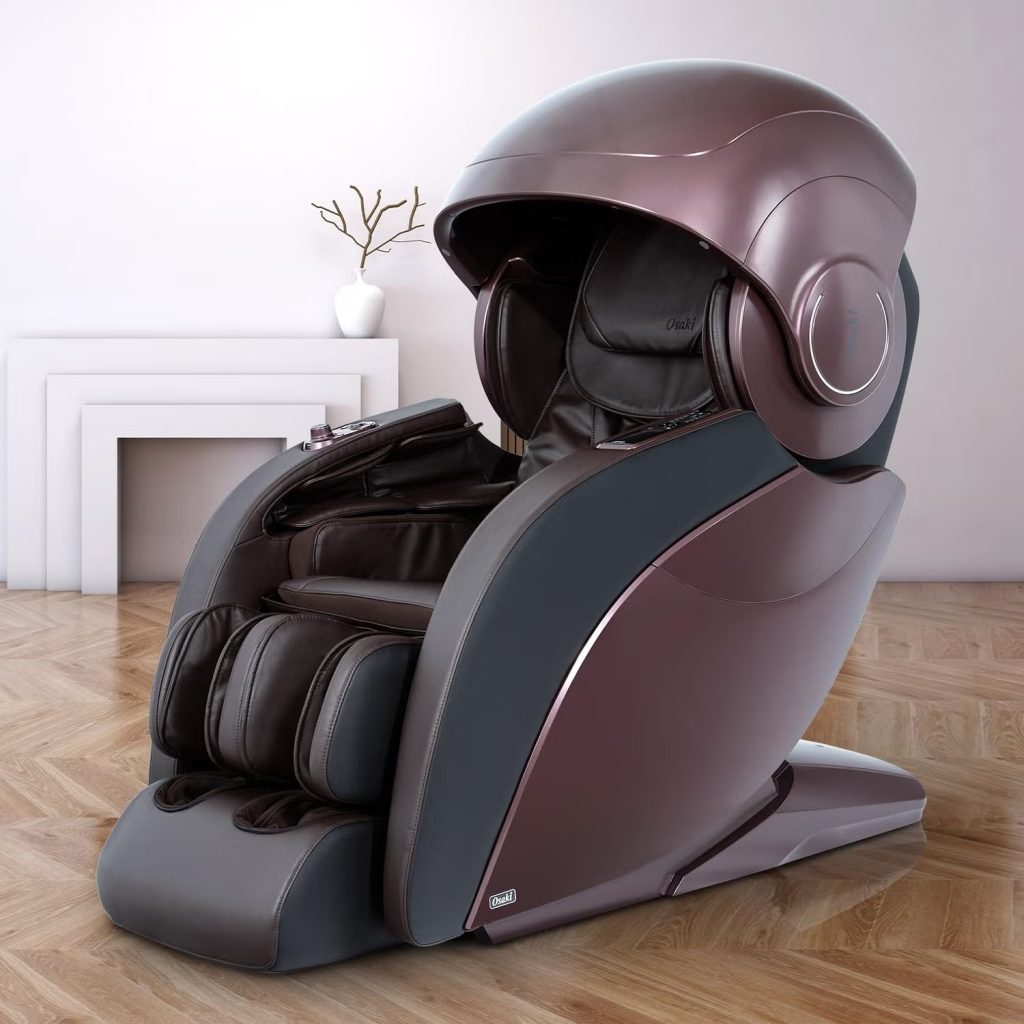
Massage chairs have become increasingly popular among fitness enthusiasts as a convenient way to aid muscle recovery after intense gym sessions. The question arises: can massage chairs truly help with muscle recovery, or are they just a luxury item? Understanding how massage chairs work and their potential benefits can shed light on their effectiveness for post-exercise recovery.
When you engage in strenuous physical activity, your muscles undergo stress and microscopic damage. This leads to inflammation, soreness, and stiffness commonly known as delayed onset muscle soreness (DOMS). Proper recovery is essential to repair muscle fibers, reduce pain, and improve overall performance in subsequent workouts. Traditional methods of aiding recovery include stretching, hydration, nutrition, rest, and manual massages. Massage chairs aim to replicate some aspects of manual massage therapy by using rollers, airbags, heat functions, and vibration techniques.
One primary benefit of massage chairs is improved blood circulation. The mechanical movements stimulate blood flow throughout the body’s soft tissues. Enhanced circulation delivers oxygen-rich blood to fatigued muscles while helping remove metabolic waste products such as lactic acid that accumulate during exercise. This process may accelerate healing by providing nutrients necessary for tissue repair.
Additionally, many massage chairs incorporate heat therapy which helps relax tight muscles by increasing tissue temperature. Warmth promotes elasticity in muscle fibers and reduces stiffness that often follows an intense workout session. Heat combined with kneading motions can soothe muscle spasms and alleviate discomfort associated with overexertion.
Another advantage lies in the reduction of stress hormones like cortisol through relaxation induced by massage chair reviews sessions. Lowering stress levels can indirectly support muscle recovery since high cortisol concentrations may impair protein synthesis crucial for rebuilding damaged tissues.
However, it is important to recognize that while massage chairs offer convenience and certain therapeutic effects similar to human touch therapies such as Swedish or deep-tissue massages; they cannot fully replace professional treatments tailored specifically for individual needs or injuries. For example, targeted trigger point therapy or myofascial release performed by trained therapists might address particular problem areas more effectively than automated machines.
Furthermore, excessive reliance on massage chairs without incorporating other fundamental recovery practices-adequate sleep quality nutrition including sufficient protein intake-may limit overall progress toward fitness goals.
In conclusion, massage chairs can be a valuable addition to a comprehensive post-gym recovery routine due to their ability to enhance circulation, relieve muscle tension through heat and mechanical stimulation,and promote relaxation reducing stress-related barriers to healing.They provide accessible relief from general soreness but should complement rather than substitute holistic approaches involving proper rest,nutrition,and professional care when needed.For individuals seeking convenient ways to support muscular recuperation,massage chairs represent an effective tool within a balanced regimen aimed at optimizing performance and well-being after rigorous physical activity.